People are the greatest asset of any organisation, and managing them in a dynamic workforce is no small feat for an HR manager. To make the workflow easier for an organisation’s decision-makers, numerous profile management tools are available on the market. Generally, these are a part of a Human Resource Information System (HRIS) software, and they do, in fact, save about 2 hours a day out of your productivity hours.
Before discussing the benefits of having a profile management system for your company, let’s define what a profile management system is.
What Is Profile Management?
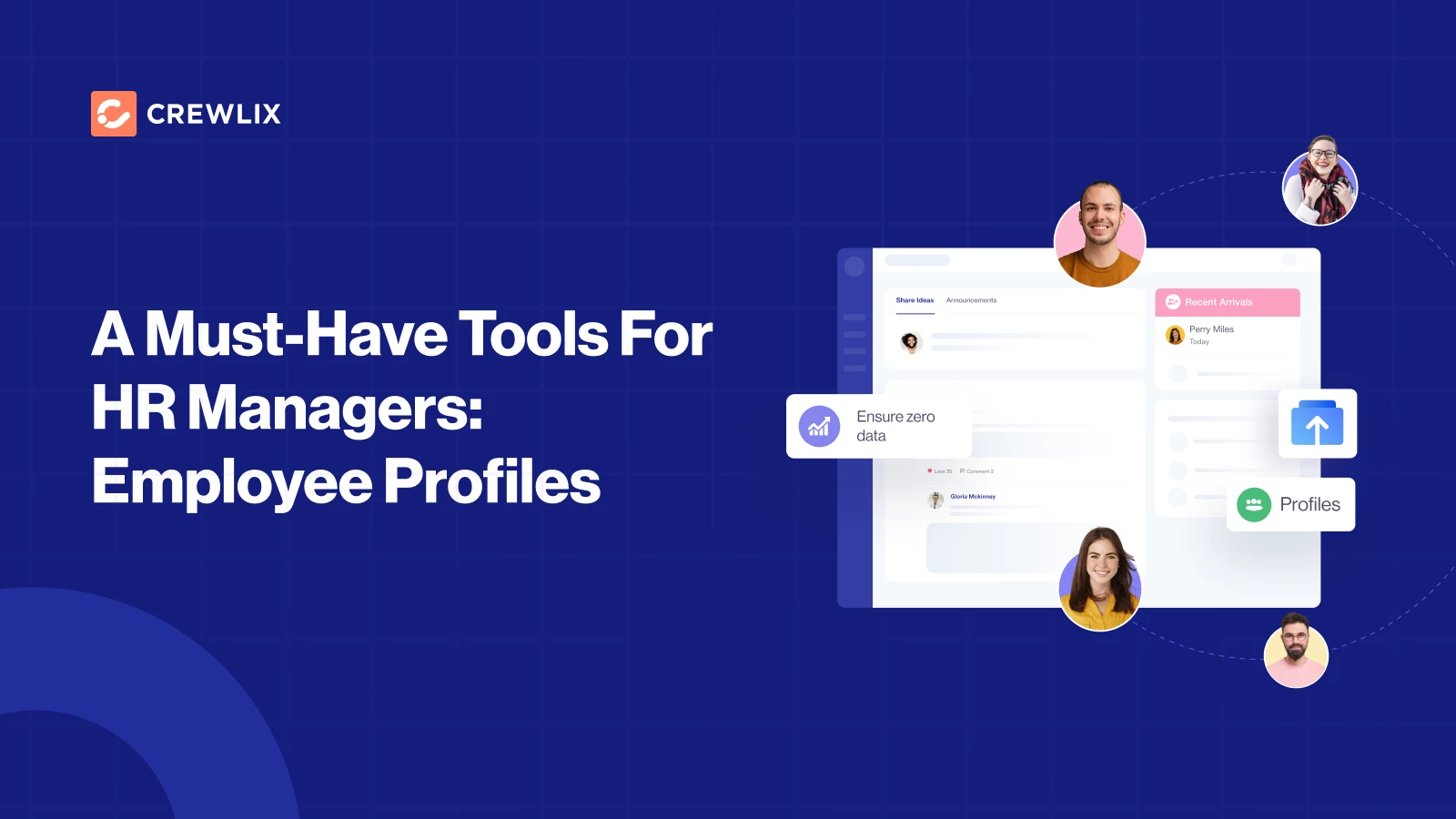
Employee profiles are essentially a record-keeping hub for each individual in the organisation. These profiles serve as a centralised data repository, enabling efficient management and utilisation of personnel information. A user’s profile usually contains personal information, professional history, credentials, and adjacent settings.
You can create profiles for your team members to maintain their employment history with your organisation and delegate tasks efficiently. With the introduction of people profiles for your business, planning and implementing future projects is far more efficient.
Why Your Organisation Needs A Profile Management System
There are countless reasons why you should opt for a profile management system, but here are the top few to consider:
To Maintain Compliance And Meet Legal Requirements
Meeting Compliance Standards: A comprehensive employee profile makes it easier to comply with labour laws and regulations by storing essential documents, such as contracts, work permits, and required training records, such as safety requirements or mandatory harassment prevention awareness.
Audit Readiness: An organised, all-documentation-compliant system maintains a level of audit readiness at all times, whether during internal or external audits, and reduces legal risks.
It’s A Centralised Hub Of Information
Centralised Data: Employee profiles contain all relevant employee information, from personal details (such as contact info and emergency contacts) to employment history (job titles, departments, etc.) and professional qualifications (education, certifications & training). With this kind of centralisation, HR managers have immediate access to the information that they require without wasting time flipping through umpteen documents or systems.
Advantages Including Ease Of Access: Digital employee profiles enable one to find information from any location and carry out other HR tasks, such as working remotely or during non-working hours.
To Make Sound & Data-driven Decisions
Strategic Planning: With a wide array of employee information, HR professionals can use this data to draw sound conclusions on workforce management matters, such as recruitment, promotions, salaries, and even future recruitment planning. For example, the analysis and creation of relief strategies could be improved if you know turnover rates.
Benchmarking: Analysing employee data across departments or against industry standards can help inform HR strategy planning.
To Bring About Max Efficiency In HR Processes
Simplified Operations: Automation and centralisation of employee data can take the administrative burden off HR managers, reducing human error and creating more time for strategic Human Resource Management initiatives they would otherwise struggle to pursue.
Easy To Onboard: Having a detailed profile can speed up onboarding and ensure your new hires have all they need to know about their roles and responsibilities, helping them feel immediately integrated into the workplace.
‘Self-service’ Benefits For Your Team & You
When you implement a profile management system that includes self-service functionality, employees can review and update their own information independently of HR professionals.
After that, they will no longer need to capture this information, and as a bonus, data accuracy will improve by eliminating human error. Entering incorrect details, such as misspellings, ensures accurate results and saves time for employees and HR staff. People can also handle standard tasks on their own, such as entering contact information or booking time away from work, without waiting for help from HR.
Final Thoughts
Employee profile systems sound high-tech, but they are changing how HR works. Such tools foster a unified data experience, streamline workflows, and enable staff to be more actively involved, ultimately crafting savvier HR departments with the agility to stay ahead of dynamic organisational curves.
Profile management is the way of the future, ushering in a new era in which HR no longer acts as a firefighter but rather as a visionary. Since then, your employees will love it; you’ll wonder how you ever got by before.